

The paperwork that
holds everything up
Applications rarely fall over on the numbers. They stall waiting on documents. Here is what to get in order first.
ReadDevelopment finance
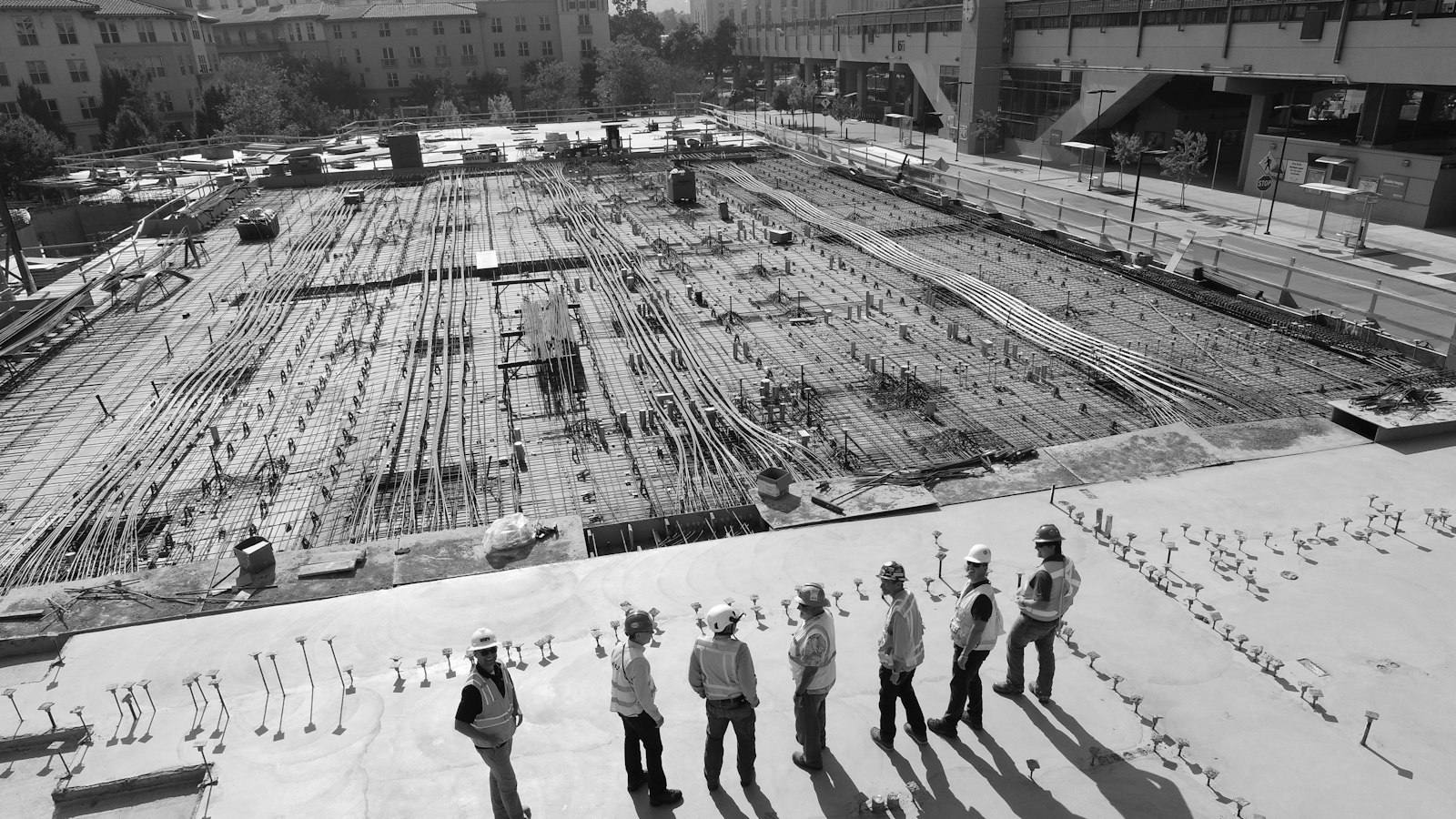
Development finance is assessed on the project more than the borrower. Before a lender looks closely at you, it wants to know whether the numbers stack up, who's building it and what it'll be worth when it's finished.
Lenders cap a development loan two ways: as a share of the total development cost, and as a share of the completed value, often quoted as the gross realisation value, usually excluding GST. The loan is limited by whichever is lower, so a project can pass one test and fail the other.
Your feasibility study sets out the land cost, construction, professional fees, finance costs, contingency and the expected sales. Lenders test it closely, particularly the sales assumptions and the margin. A thin margin leaves no room for cost overruns, and it's one of the most common reasons a project struggles to get funded.
Some lenders require a level of presales before they'll fund construction, as evidence the finished product will sell. Others will lend with few or none, usually at a higher cost and lower leverage, because they're carrying more of the sales risk.
Lenders look at who's building the project, their financial position and their track record, and usually want a fixed-price building contract. A strong builder can be the difference between an approval and a decline.
We test the feasibility honestly before it goes to market, plan the site and construction funding together, and coordinate the quantity surveyor, valuer and lender through every drawdown. More on development finance.
General information only. This article does not take into account your objectives, financial situation or needs, and it is not personal financial, legal or taxation advice. Lending criteria, fees and conditions apply, and all applications are subject to lender assessment and approval.
Next step
Every set of circumstances is different. The quickest way to find out where yours lands is to ask.
Also worth reading